
To AI or Not to AI
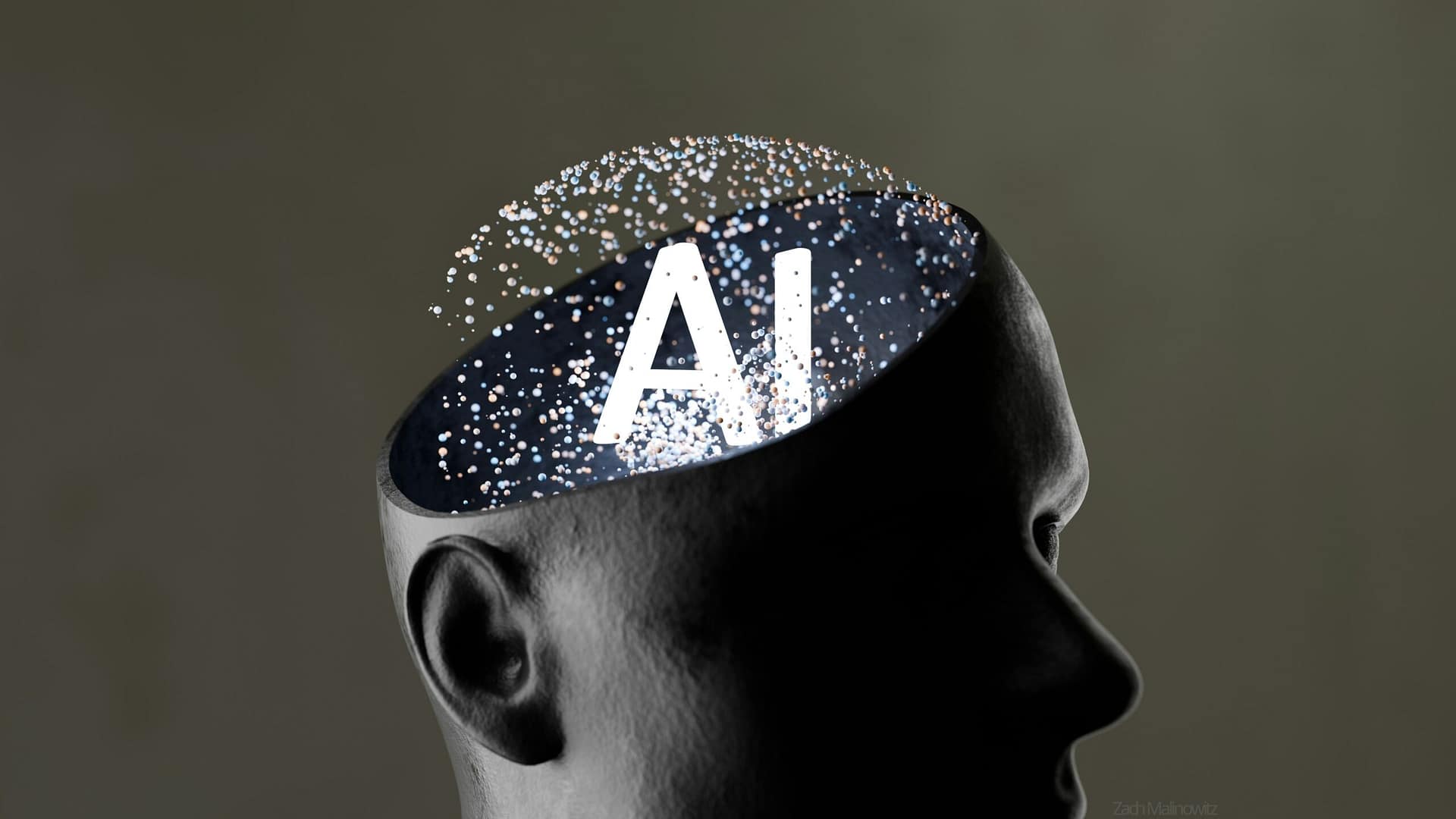
Week 1 of the 2026 fall semester at Columbia College Chicago is in the books, and as always, I looked forward to returning to campus to engage with a genuinely sharp group of creative individuals. This semester I’m instructing two sections of the same course, Digital Media Strategies — one meets in person once a week for a three-hour session for the 15-week term, the other runs asynchronously.
Given the course subject matter, it would be a disservice to my students to sidestep the elephant in the room: AI. Calling it “controversial” is an understatement — few topics generate as much passionate disagreement, in or out of the classroom. I wrote what I believe was one of the first classroom AI policies back in 2023, and I’ve refined it every semester since.
There’s a quote that circulates widely in conversations about AI and the workforce — its exact origin is debated and it’s attributed to various people, but the sentiment holds up:
“AI won’t replace people, but people who use AI will replace people who don’t.”
And to be clear, this isn’t new. We’ve been living with AI in daily life for years — Siri, Google Search, Google Maps, Spotify’s recommendation engine, Netflix’s algorithm. What’s changed is the pace and the stakes.
Since it launched, I’ve been experimenting with the major generative AI tools — first OpenAI’s ChatGPT, then Google’s Gemini, and these days I favor Anthropic’s Claude. If you’re affiliated with the music business in any way, you also have to be paying attention to Suno, and to what’s happening on the distribution side. Deezer, for instance, reported this summer that AI-generated tracks now account for more than half of all daily uploads to its platform — roughly 90,000 AI tracks a day, up from 44% just a couple of months earlier. This is a true disservice, for those who are true creators.
On top of that, multiple active lawsuits are working through the courts involving AI companies and rights holders, and the broader regulatory picture in the U.S. remains genuinely unsettled — there’s no comprehensive federal framework governing AI yet, and reasonable people agree decisively that oversight is appropriate and necessary, versus how much would stifle innovation.
Then there’s the “AI bubble” question. So much capital has poured into this space that some analysts predict only a handful of players — the Big 5, or maybe just two or three — ultimately survive, and that a shakeout, if and when it comes, could rival the dot-com crash in scale.
I remember a few semesters ago, a student approached me after the first day of class and said, “That’s so funny, Mr. Anderson — you told us to use AI, and the professor I had right before this class told us we were expressly forbidden from using it.” That contradiction, in a nutshell, is where higher ed still finds itself.
We’ll cover a lot more than AI this semester, including: Marketing Segmentation |Dual Process Theory |Data & Analytics | Paid, Earned & Owned Media |Meta Ads & Metrics |CMS / SEO |Blogging | The Creator Economy |Google Search Console and Engagement Funnels. We’ll also work through in-class practicums, analyzing real case studies from a marketing, financial, and digital strategy perspective.
And of course, there are the increasingly loud warnings from former employees and whistleblowers at these AI companies about where all of this might be headed — not to mention the environmental cost of the data centers powering it all. It’s a big topic: concerning and enlightening in equal measure. We’ll keep exploring it, semester by semester, as it continues to unfold.

0 Comments